
The benefits of Microsilica densification
The benefits of Microsilica densification
2026-04-23 13:46 yellow river microsilica
9
The benefits of Microsilica densification
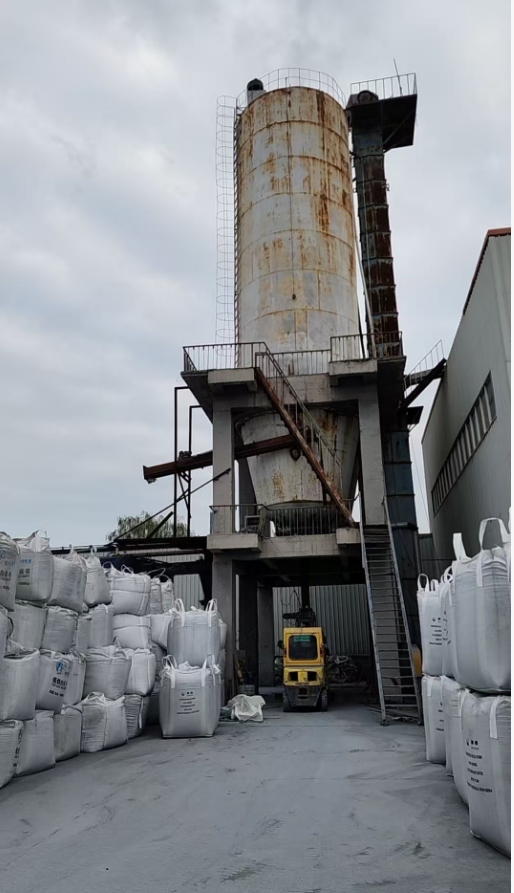
- Reduce transportation and storage costs: Raw microsilica has a very low bulk density (only 150-300 kg/m³), showing a fluffy state. Densification treatment (physical methods such as pneumatic or mechanical aggregation) increases its bulk density to 500-700 kg/m³, reducing the volume significantly. This allows more microsilica to be loaded in the same space, effectively lowering the per-ton transportation cost. Meanwhile, densified microsilica is not easy to bridge in silos, making feeding smoother and facilitating storage management [3].
- Improve construction environment and reduce material waste: Raw microsilica is light and easy to fly during mixing, causing environmental pollution and material loss. Densified microsilica has better fluidity and less dust during transportation and mixing, which improves the construction environment and reduces material waste .
- Promote uniform mixing and ensure application effect: Raw microsilica is light and difficult to mix evenly with concrete, often floating on the surface. Densified microsilica can be fully dispersed in the concrete mixture after proper stirring (e.g., extending stirring time), ensuring that its pozzolanic activity and filling effect are fully exerted, and further guaranteeing the strength and durability of concrete products.
- Ensure stable product performance without quality loss: Densification only aggregates microsilica particles by physical means (e.g., turbulent movement driven by compressed air) and extracts part of the air, without changing its chemical composition and core properties (such as SiO₂ content and pozzolanic activity). As long as sufficient stirring is carried out during application, it can achieve the same application effect as raw microsilica
Statement: This article is the original work of Yellow River Building Materials Co., Ltd. Please indicate the source link when reprinting https://yellowriver-microsilica.com/sys-nd/54.html
Name:
Message:
Verification code: 
Submit
Comment
Contact Us
We are unwaveringly customer-focused and constantly strive to improve our work,
with a commitment to fully meeting customer needs through high-quality products and services.



